Maintaining clean exterior surfaces is essential for every Irish home; yet, many homeowners are unsure whether to opt for soft washing or power washing. Both methods can improve your home’s appearance, but the right technique depends on your surfaces, the presence of algae, moss, and the long-term health of your property.
Understand Exterior Cleaning Methods
Keeping your home’s exterior free from algae, mould, and dirt requires the right cleaning method. In Ireland, with its damp climate, moss and algae growth on roofs and walls is common.
Professionals use two primary techniques: power washing and soft washing. Understanding the differences helps homeowners make informed decisions.
What is Power Washing?
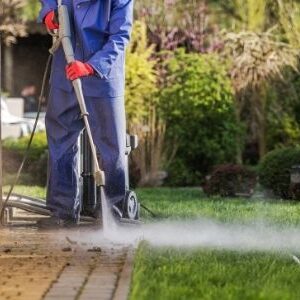
Power washing, also known as high-pressure water cleaning, uses strong jets of water to remove dirt, grime, and algae from surfaces. It is highly effective for concrete, patios, and hard surfaces that can withstand intense pressure.
- High-pressure water typically ranges from 1,500 to 4,000 PSI (pounds per square inch).
- Best suited for driveways, patios, and hard exterior surfaces.
- Works well for removing tough stains like oil, rust, or stubborn dirt.
- It can damage delicate surfaces such as roof tiles, render, or painted wood if not handled correctly.
While it can create an instantly clean exterior, power washing does not always kill algae or moss at the root, so regrowth is common. Over time, repeated pressure washing can degrade softer surfaces, leading to costly repairs.
What is Soft washing?
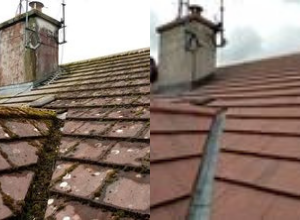
Soft washing is a gentler, professional cleaning method using low-pressure water combined with specialised cleaning solutions. These solutions are often biodegradable and designed to kill algae, moss, and mould rather than just remove surface dirt.
- Uses low-pressure water (under 500 PSI) to avoid damaging delicate surfaces.
- Eco-friendly cleaning solutions target algae, mould, and moss at the root, preventing quick regrowth.
- Effective for roof tiles, wood, render, windows, and delicate exterior surfaces.
- Provides longer-lasting results compared to high-pressure cleaning.
Soft washing is particularly suitable for older homes and properties with fragile roofing or siding, as it maintains structural integrity while ensuring a thoroughly clean exterior.
Key Differences Between Soft Washing and Power Washing
When deciding between these methods, several factors differentiate them:
- Pressure levels: Soft washing uses low pressure to protect delicate surfaces, while power washing relies on high-pressure water.
- Cleaning solution: Soft washing uses specialised chemicals to kill algae, moss, and mould, whereas power washing may rely on water alone.
- Surface suitability: Power washing is suitable for hard surfaces like concrete and brick, while soft washing is ideal for roof tiles, wood, and painted surfaces.
- Longevity: Soft washing provides long-term cleaning results because it addresses underlying biological growth. Power washing offers immediate visual improvement but may require frequent repetition.
- Environmental impact: Soft washing solutions are often eco-friendly, while power washing can dislodge chemicals into gardens or drains.
Soft washing vs Power Washing: Key Comparison
Feature |
Soft Washing |
Power Washing |
| Pressure | Low | High |
| Cleaning solution | Biodegradable, kills moss/algae | Optional, mostly water |
| Surface safety | Delicate surfaces safe | Can damage fragile surfaces |
| Longevity | Longer-lasting results | Temporary, regrowth common |
| Environmental impact | Eco-friendly | Risk of runoff |
Why Soft Washing is Better for Irish Homes

Irish homes face unique challenges due to our wet climate. Roofs, driveways, patios, and walls can accumulate algae, moss, and mould quickly. Here’s why soft washing is ideal:
- Protects fragile surfaces: Roof tiles, painted walls, and render are common in Irish homes. Low-pressure soft washing prevents cracking, lifting, or erosion caused by high-pressure water.
- Kills algae and moss at the root: Soft Washing uses a cleaning solution that eliminates biological growth rather than just scrubbing the surface. This leads to longer-lasting results.
- Eco-friendly solutions: Many soft wash products are biodegradable, safe for gardens, pets, and local water sources.
- Prevents costly repairs: High-pressure washing can dislodge tiles or damage paintwork, leading to long-term maintenance issues.
- Maintains curb appeal: Clean exterior surfaces using soft washing to retain a fresh, well-maintained look without frequent repeat washes.
In short, soft washing addresses the underlying cause of moss and algae growth, while power washing only treats the visible surface. For Irish homes, this is crucial for long-term exterior maintenance.
When Power Washing is Still Useful
Although soft washing is better for delicate surfaces, power washing has its place. Situations where high-pressure water is appropriate include:
- Concrete driveways and patios: Tough stains like tyre marks, mud, or oil require high-pressure water.
- Brick walls without delicate paint or render: Hard bricks can withstand higher pressure.
- Outdoor areas exposed to heavy dirt: Large commercial areas, steps, and garden paths often need the force of power washing.
Even in these cases, combining power washing with occasional soft washing can ensure a cleaner, healthier exterior over time.
Common Mistakes Homeowners Make
Many homeowners make costly errors when attempting exterior cleaning themselves:
- Using power washing on roofs or painted surfaces – can strip paint and break tiles.
- Ignoring algae and moss roots – surface cleaning alone will not prevent regrowth.
- Choosing incorrect cleaning solutions – harsh chemicals can harm plants, pets, or even the home’s exterior.
- Over-washing – frequent high-pressure washing can reduce the lifespan of exterior materials.
- DIY cleaning– ladders, hoses, and high-pressure equipment can be dangerous without professional knowledge.
Understanding these mistakes helps homeowners make informed decisions about their cleaning methods and reduces the risk of damage.
How to Decide the Right Method for Your Home
Choosing between soft washing and power washing depends on several factors:
- Surface type: Roof tiles, wood, and render – soft washing; concrete and hard surfaces – power washing.
- Age of property: Older homes benefit from soft washing to prevent damage.
- Moss/algae growth: Thick growth requires chemical-based soft washing for long-term results.
- Environmental considerations: Soft Washing is eco-friendly, preventing chemical runoff.
- Safety and accessibility: Hard-to-reach roofs or steep inclines are better cleaned with low-pressure techniques.
Decision-making checklist:
- Identify surface material and condition.
- Evaluate algae, moss, and mould presence.
- Determine frequency and desired longevity of cleaning.
- Consider environmental and safety concerns.
- Choose a method that balances results and long-term home preservation.
Safety Tips for Homeowners
Even if homeowners are just observing or learning, safety is essential:
- Avoid high-pressure water on fragile surfaces – it can cause injury or structural damage.
- Keep children and pets away – cleaning solutions or slippery surfaces can be hazardous.
- Hire trained professionals – even if observing, understanding wash techniques reduces the risk of mistakes.
Safety isn’t just about avoiding injury; it also preserves your roof tiles, siding, and other exterior surfaces while ensuring the cleaning method is effective.
Book Professional Cleaning with Spooner’s Cleaning
For homeowners in Nenagh, Roscrea, Limerick City, Lough Derg, and Tullamore, Spooner’s Cleaning provides expert soft washing for houses, pressure washing for driveways and yards, and gutter cleaning. Choosing the right method ensures your home stays safe, clean, and visually appealing while delivering long-term results.
Conclusion
Soft washing and power washing both play roles in maintaining clean exterior surfaces, but for Irish homes, soft washing is generally the safer, more effective choice.
Power washing remains useful for hard, durable surfaces, but should be used judiciously.
By understanding the differences, homeowners can make informed decisions that protect their property and maintain a pristine exterior.
FAQs
1. Can soft washing remove all types of algae and moss?
Yes, soft washing uses specialised cleaning solutions that target most algae and moss types, killing roots for longer-lasting results on roofs, walls, and other exterior surfaces.
2. How often should I schedule soft washing for my Irish home?
Typically, every 2–3 years is sufficient, depending on weather, moss growth, and exposure. Damp Irish climates may require slightly more frequent soft washing.
3. Will power washing damage old roof tiles?
Yes, high-pressure water can crack, lift, or erode old tiles. Soft washing is safer for delicate or aged roofing surfaces.
4. Are soft washing chemicals safe for pets and gardens?
Yes, most soft wash solutions are eco-friendly and biodegradable, posing minimal risk to pets, plants, or surrounding soil when applied correctly.
5. Can I combine soft washing and pressure washing for better results?
Yes, soft washing for roofs and delicate surfaces combined with power washing for patios or driveways provides comprehensive cleaning without damaging fragile materials.