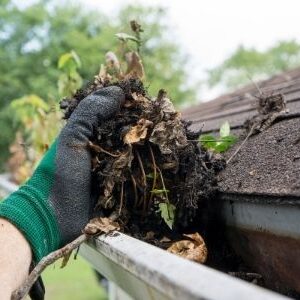
In Ireland, roof cleaning is not just about appearance. With constant moisture, organic growth and varied roof materials, choosing the right cleaning method matters.
What is Soft Wash Roof Cleaning?
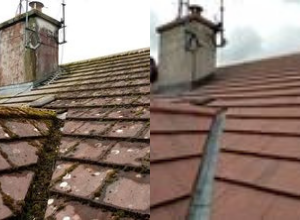
Soft wash roof cleaning is a low-pressure exterior cleaning method designed to remove moss, algae, lichen, and organic staining without mechanical force. Unlike high-pressure or power washing, soft washing relies on a controlled softwash treatment that works at a biological level rather than by impact.
In practical terms, soft washing uses specialist solutions that penetrate moss and microbial growth down to the root system. This is important because moss is not surface dirt; it is a living organism that anchors itself into roof tiles, slate, and cement-based materials. Simply breaking it off with pressure often leaves spores behind, which allows regrowth.
How Soft Wash Roof Cleaning Works?
The process does not depend on force. Instead, the treatment is applied evenly at very low pressure, similar to a garden spray. Over time, the treatment neutralises growth, allowing natural weathering, rain, airflow, and gravity to clear the roof safely. This makes soft washing particularly suitable for roof cleaning in Ireland, especially for slate roofs, where moisture-driven regrowth is the main challenge.

Soft washing is part of a broader exterior cleaning approach that prioritises material preservation. It is not a cosmetic shortcut and not a DIY method. When applied correctly, it focuses on roof longevity, not just immediate visual improvement.
Why Soft Wash Roof Cleaning Is Ideal for Irish Homes
1. Persistent Moist Climate
Ireland’s damp climate accelerates moss and algae growth. Soft washing treats the root cause of organic growth rather than removing only what is visible, making it effective in conditions where regrowth pressure is constant.
2. Common Use of Slate and Concrete Tiles
Many Irish roofs use slate or concrete tiles that can be vulnerable to erosion under high pressure. Soft washing cleans without stressing surface layers or dislodging protective coatings.
3. Long-Term Roof Preservation
By avoiding high pressure, soft washing supports the structural lifespan of roofs. This is particularly important for older properties.
4. Controlled, Even Coverage
Softwash treatment reaches overlaps, edges, and shaded sections where moss develops first. This consistency is difficult to achieve with pressure washing alone on complex roof structures.
5. Compatible With Broader Exterior Cleaning
Soft washing integrates well with other exterior cleaning processes, such as low-pressure wall treatments and gutter maintenance, creating a cohesive, property-wide approach to cleanliness.
Soft Wash vs Pressure Washing for Roofs in Ireland
| Aspect | Soft Washing | Pressure Washing |
| Cleaning method | Chemical treatment with low pressure | Mechanical cleaning using high pressure |
| Impact on roof | Minimal physical stress | Minimal physical stress |
| Moss regrowth | Slower due to root treatment | Faster if spores remain |
| Suitable roof types | Slate, concrete, and older roofs | Durable surfaces |
| Purpose | Long-term biological control | Immediate surface cleaning |
| Skill requirement | Specialist knowledge | Technique-dependent |
Both methods have a place in professional roof cleaning. The key difference lies in purpose. Soft washing focuses on biological control and longevity, while pressure washing can be suitable where surface contamination and structural robustness allow it. The choice depends on roof condition, material, and objectives, not preference alone.
How Professional Soft Wash Roof Cleaning Is Carried Out

1. Initial Roof Assessment
The roof is assessed for material type, age, pitch, moss density, and water runoff patterns. This determines whether soft washing, pressure washing, or a combined approach is most appropriate.
2. Risk and Access Planning
Surrounding areas, including gutters, downpipes, and landscaping, are considered. Proper planning ensures that the cleaning process is controlled and does not affect adjacent surfaces.
3. Dry Moss Management
Where heavy moss is present, loose growth may be carefully managed before treatment. This is done without aggressive force to avoid damaging tiles or forcing debris into drainage systems.
4. Application of Softwash Treatment
The softwash solution is applied evenly at low pressure. This allows the treatment to soak into moss, algae, and lichen rather than being pushed across the surface.
5. Biological Neutralisation Phase
The treatment works over time, breaking down organic growth at a cellular level. This stage is where soft washing differs most from pressure-based roof cleaning methods.
6. Natural Weather Rinse
Irish rainfall assists the process. Dead growth gradually detaches and clears naturally, reducing the need for mechanical intervention and preserving the roof surface.
7. Post-Treatment Monitoring
The roof continues to improve over the weeks. This gradual result is intentional and reflects proper soft washing rather than superficial cleaning.
What Types of Roofs in Ireland Can Be Soft Washed?
Natural Slate Roofs
Common across Ireland, slate roofs are well-suited to soft washing, as the low-pressure process gently removes moss and algae at the root while protecting the natural integrity and finish of the slates.
Concrete Tile Roofs
Concrete tiles are porous and prone to organic growth. Soft washing penetrates these pores, delivering a deep clean that supports long-term roof cleaning results without surface erosion.
Clay Tile Roofs
Clay tiles are designed to retain their colour and protective finishes, and soft washing provides a gentle, effective clean that helps preserve both appearance and long-term performance.
How Long Does Soft Wash Roof Cleaning Last in Ireland?
Soft wash roof cleaning typically delivers results lasting three to five years in Irish conditions, depending on the environment and roof exposure. This longevity comes from treating organic growth biologically rather than removing only surface debris.
Factors influencing duration include:
- Tree coverage and shade
- Roof pitch and drainage
- Local rainfall patterns
- Coastal air exposure
- Initial moss severity
Because soft washing neutralises spores, regrowth is slower compared to pressure washing alone, which may leave microscopic growth behind.
Is Soft Wash Roof Cleaning Safe?
When carried out professionally, soft washing is considered a safe and controlled roof cleaning method.
Safety considerations include:
- Controlled chemical dilution
- Targeted application
- Protection of gutters and drainage
- Managed runoff
- Awareness of surrounding surfaces
Soft washing prioritises roof integrity first, making it a preferred option where preservation is essential.
When Should a Roof Be Soft Washed?
1. Visible Moss and Algae Growth
When moss patches or dark streaks appear, early soft washing prevents deeper root systems from forming and reduces long-term cleaning difficulty.
2. Before Property Sale or Valuation
A clean roof improves first impressions while maintaining material integrity, supporting valuation without the risks of aggressive cleaning.
3. After Long Periods of Neglect
Roofs left untreated for years respond better to gradual softwash treatment than sudden high-pressure intervention.
4. As Preventive Maintenance
Periodic soft washing reduces the need for frequent roof cleaning and helps manage exterior cleaning costs over time.
5. Following Gutter or Drainage Issues
Organic roof growth often contributes to blocked gutters; treating the source supports better water flow management.
Common Myths About Soft Wash Roof Cleaning
Myth 1: “Soft washing is just cosmetic”
In reality, soft washing addresses biological growth at its root, offering functional benefits beyond appearance.
Myth 2: “Chemicals always damage roofs”
Incorrect use can cause issues, but professional softwash treatment is designed specifically for roofing materials.
Myth 3: “Pressure washing cleans better”
Pressure washing cleans faster, but speed does not always equal effectiveness, especially for moss regrowth control.
Myth 4: “Results should be instant”
Soft washing works gradually. Immediate brightness is not the goal; long-term cleanliness is.
Myth 5: “It’s suitable for every roof”
Roof condition determines suitability. Balanced assessment matters more than method preference.
Soft Wash Roof Cleaning Costs in Ireland (What Affects Pricing Factors)
- Roof Size and Layout: Larger or complex roofs require more time, treatment volume, and access planning.
- Roof Material Type: Slate, tile, and fibre cement roofs vary in absorption and treatment requirements.
- Extent of Organic Growth: Heavier moss coverage requires staged treatment and monitoring.
- Access and Safety Requirements: Steep pitches, height, or restricted access affect preparation and labour.
- Location and Environment: Urban, rural, coastal, or wooded settings influence treatment approach and longevity.
DIY Roof Cleaning vs Professional Soft Washing
| Aspect | DIY Roof Cleaning | Professional Soft Washing |
| Safety | High personal risk | Managed risk procedures |
| Equipment | Limited | Specialist systems |
| Treatment accuracy | Inconsistent | Controlled application |
| Roof protection | Uncertain | Material-specific approach |
| Long-term results | Short-lived | Extended effectiveness |
This is not a DIY process. Professional knowledge ensures roof cleaning is effective without compromising the structure.
Signs You Should Choose a Soft Wash Specialist
- Understanding of Irish roof materials
- Ability to assess method suitability
- Knowledge of exterior cleaning systems
- Experience balancing soft washing and pressure washing
- Focus on long-term roof health
Get Professional Soft Roof Cleaning Services in Ireland
Spooner’s Cleaning provides professional soft wash roof cleaning services across Ireland, using proven methods suited to Irish roofs and climate. We work across Nenagh, Limerick City, Tullamore, and the Lough Derg area, with services focused on safe moss clearing, controlled softwash treatment, and long-term roof protection, ensuring the correct approach is taken from the start.
Get in touch with us today!
- Phone: 0872273934
- Email: [email protected]
Conclusion
Soft wash roof cleaning is not about replacing pressure washing but using the correct method for the correct purpose. In Ireland’s climate, understanding roof materials, biological growth, and long-term outcomes ensures roofs are cleaned safely, effectively, and responsibly.
FAQs
Q. Can soft washing be combined with pressure washing?
Yes, on suitable roofs, methods may complement each other when applied correctly.
Q. Does soft washing affect roof colour?
No, when applied properly, it preserves original surface finishes.
Q. Is soft washing suitable for commercial roofs?
Yes, particularly where biological growth is the primary issue.
Q. Will gutters need cleaning afterwards?
Gutter inspection is recommended after any roof cleaning process.
Q. Can soft washing be done year-round in Ireland?
Yes, weather conditions are assessed rather than seasons alone.