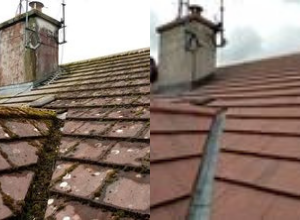
A moss-covered roof is one of the most common exterior property issues across Ireland due to the country’s damp climate and frequent rainfall. While moss may appear harmless at first, it can gradually contribute to roof tile damage, blocked gutters, and reduced roof lifespan if left unmanaged.
Why Moss Grows on Roofs in Ireland
Ireland provides ideal conditions for moss to thrive. Understanding why it develops helps explain why some roofs require more frequent roof maintenance than others.
Constant Moisture from Irish Weather
Ireland’s regular rainfall, high humidity and long periods of damp conditions keep roof surfaces moist, creating the perfect environment for moss to establish and spread throughout the year.
Limited Sunlight and Shaded Roofs
Roofs surrounded by mature trees or positioned on the northern side of a property receive less sunlight, allowing moisture to remain on roof tiles for longer periods.
Porous Roofing Materials
Older concrete roof tiles, natural slate and weathered roofing materials gradually become more porous, making it easier for moss spores to settle and develop strong root structures.
Organic Debris Builds Up
Leaves, twigs and airborne dirt collect in roof valleys and along tile edges, trapping moisture and creating nutrient-rich conditions that encourage moss, algae and lichen growth.
Ireland’s Mild Temperatures
Unlike countries with prolonged freezing or extremely hot summers, Ireland’s moderate temperatures allow moss to survive throughout most of the year with very little interruption.
Why Roof Moss Is Really a Problem
Many homeowners assume moss is simply cosmetic. In reality, it can affect both the appearance and long-term condition of a roof.
Moisture Stays Against Roof Tiles
Moss acts like a sponge, holding water against roofing materials for extended periods. Continuous moisture exposure accelerates weathering and increases the likelihood of gradual deterioration.
Increased Risk of Roof Tile Damage
As moss expands between tiles, it can lift edges slightly and create movement over time. During freeze-thaw cycles, trapped moisture may contribute to cracks or weakened roofing materials.
Blocked Gutters and Downpipes
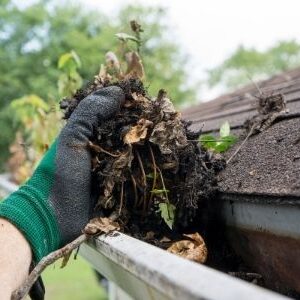
Loose moss eventually washes into drainage systems where it combines with leaves and debris. Blocked gutters prevent rainwater from flowing correctly and may cause overflow around the property.
Shorter Roof Lifespan
A neglected moss-covered roof often requires more frequent repairs because persistent moisture affects roofing components, flashings and drainage systems, reducing the overall roof lifespan.
Reduced Property Appearance
Even when structurally sound, a roof covered with moss, algae and lichen can make an otherwise well-maintained property appear older and less cared for.
Signs Your Roof Needs Moss Removal
Recognising the early warning signs allows problems to be addressed before they become more significant.
Thick Green Moss Across Roof Slopes
Large visible patches covering multiple rows of tiles usually indicate long-term moss development that requires professional assessment rather than simple surface cleaning.
Moss Falling into Gutters
Finding clumps of moss in gutters or at downpipe outlets often shows that growth has reached a stage where drainage performance may soon become affected.
Uneven Roof Colour
Dark green, black or grey staining across sections of the roof frequently indicates combined growth of moss, algae and lichen, particularly on shaded elevations.
Plants Beginning to Grow
Small weeds or grass emerging between roof tiles suggest organic material has accumulated for an extended period and moisture retention has become significant.
Damp Appearance After Dry Weather
If sections of the roof remain visibly damp long after surrounding surfaces have dried, moss may be retaining excessive moisture against the roofing materials.
The Best Methods for Cleaning Moss Off Roofs
Not every roof should be cleaned using the same technique. Professional roof cleaning begins with understanding the roof’s age, material, condition and the extent of biological growth. The safest method is always determined after a proper roof inspection, as what works well on one property may not be suitable for another.
Soft Wash Roof Cleaning
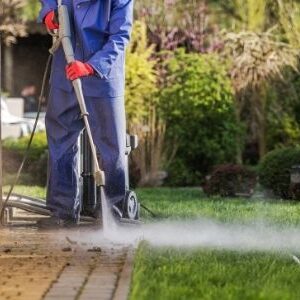
Soft washing uses specialised low-pressure application together with professional cleaning treatments to remove moss, organic contamination, algae and lichen without placing unnecessary stress on roofing materials. It is suitable for many roof types and provides longer-lasting results by addressing visible growth and remaining biological spores.
Biocide Treatments
Biocides are applied after moss removal to target microscopic spores that remain on the roof surface. They help slow moss regrowth, improve the effectiveness of cleaning and allow remaining organic staining to weather away naturally over time.
Controlled Low-Pressure Cleaning
Controlled low-pressure cleaning may be appropriate for certain roofing materials where professional assessment confirms it can be carried out safely. Water pressure is carefully managed to protect roof coverings while removing surface contamination without causing unnecessary disturbance.
Roof Types Common in Ireland and Their Cleaning Needs
Different roofing materials respond differently to moisture, weather exposure and biological growth.
Natural Slate Roofs
A slate roof moss problem requires careful assessment because slate can become brittle with age. Cleaning methods should protect both the stone and the fixings beneath.
Concrete Roof Tiles
Modern and older concrete roof tiles commonly develop moss due to their textured surface. Professional cleaning should preserve the tile coating while removing accumulated organic growth.
Clay Roof Tiles
Clay tiles generally resist moisture well but can still support moss in shaded conditions. Careful cleaning helps maintain their appearance without damaging the protective finish.
Fibre Cement Roofing
Older fibre cement roofing requires specialist consideration because cleaning methods vary depending on age, condition and the specific roofing product installed.
Metal Roofing Systems
Metal roofs generally develop less moss but may still accumulate algae and lichen where moisture remains for long periods. Appropriate cleaning protects coatings and reduces corrosion risks.
When Is the Best Time of Year to Clean Moss Off a Roof in Ireland?
Timing influences both cleaning efficiency and long-term maintenance planning.
Spring After Winter
Spring allows winter moss accumulation to be addressed before warmer weather encourages further biological growth across damp roof surfaces.
Early Summer Conditions
Longer daylight hours and generally drier weather create favourable working conditions for professional roof cleaning and post-treatment drying.
Autumn Before Heavy Rain
Cleaning before winter helps remove moss and debris that could contribute to blocked gutters during periods of increased rainfall.
Mild Winter Periods
Some roofs can still be cleaned safely during suitable winter weather, provided conditions remain stable and the roof can be properly assessed beforehand.
Property Maintenance Planning
Rather than focusing only on the season, cleaning should be scheduled when inspections identify developing moss before significant accumulation occurs.
How Often Should Roof Moss Be Removed?
There is no fixed timetable that suits every property in Ireland. Roof orientation, surrounding trees, rainfall levels, roofing material and previous maintenance all influence how quickly moss returns. Properties in shaded rural locations often require more frequent monitoring than homes in open areas. Regular roof inspection allows maintenance to be planned before heavy moss accumulation affects roof protection, drainage performance or the overall condition of the roofing system.
Why Professional Roof Moss Removal Is Often the Safer Choice
Removing moss is not simply about making a roof look cleaner. Every roof has different materials, levels of weathering and structural conditions that influence which cleaning method is appropriate. Professional assessment focuses on preserving the roof while removing biological growth safely and effectively.
Professional Roof Inspection Comes First
A thorough roof inspection identifies loose tiles, ageing materials, damaged flashings and existing roof tile damage before any cleaning method is selected, reducing unnecessary risks.
Every Roof Requires a Different Cleaning Method
No single technique suits every roof. Factors including roof pitch, age, concrete roof tiles, slate roof moss, previous repairs and biological growth determine the safest cleaning approach.
Specialist Equipment Protects Roofing Materials
Professional equipment is designed to carry out safe roof cleaning while minimising unnecessary stress on roofing materials, gutters and surrounding landscaping throughout the cleaning process.
Moss Removal Includes Complete Site Management
Professional work involves more than removing moss from roof surfaces. It also includes managing debris, protecting drainage systems and reducing the chance of blocked gutters after cleaning.
Long-Term Roof Protection Matters
Effective moss removal focuses on preserving the roof rather than delivering a short-term cosmetic improvement. Proper treatment helps support ongoing roof protection and extends the overall roof lifespan.
How to Maintain Moss-Free Roof for Longer
Completely preventing moss from returning is unrealistic in Ireland because the country’s damp climate naturally encourages biological growth. However, sensible property maintenance can significantly slow moss regrowth and reduce the frequency of future roof cleaning.
Schedule Regular Roof Inspections
Routine roof inspection helps identify early moss development before it becomes widespread. Addressing small areas promptly is generally more manageable than allowing heavy growth to establish.
Keep Gutters Free Flowing
Removing leaves, moss and debris from gutters allows rainwater to drain correctly. Well-maintained drainage reduces standing moisture around roof edges and helps prevent blocked gutters.
Manage Nearby Tree Growth
Overhanging branches increase shade while depositing leaves and organic debris onto the roof. Appropriate tree maintenance improves sunlight exposure and helps roofing materials dry more quickly.
Maintain Overall Exterior Property Maintenance
Looking after fascias, soffits, gutters and drainage contributes to effective exterior property maintenance. Well-maintained rooflines reduce moisture retention and create less favourable conditions for biological growth.
Consider Preventative Moss Treatments
Following professional moss removal, preventative treatments may help slow future biological growth. While they cannot permanently eliminate moss, they often extend the period before further cleaning becomes necessary.
Professional Roof Cleaning Services and Moss Removal
When moss has become well established, choosing an experienced roof cleaning specialist allows the condition of the roof to be assessed before any work begins.
Spooner’s Cleaning provides professional roof cleaning and moss removal services across Ireland using cleaning approaches suited to the condition, material and age of each roof.
Get in touch with us today!
Conclusion
Ireland’s damp climate, frequent rainfall and mild temperatures create ideal conditions for moss, algae and lichen to grow throughout the year. Left untreated, moss can contribute to moisture retention, roof tile damage, drainage issues and a shorter roof lifespan.
Whether the roof is constructed from natural slate, concrete roof tiles or another roofing material, informed maintenance supports long-term performance and helps preserve one of the most important parts of any property.
Frequently Asked Questions
Q. Does moss always mean my roof is damaged?
Moss does not automatically indicate structural damage, but heavy growth can trap moisture and increase the risk of deterioration if left unmanaged for long periods.
Q. Can algae and lichen grow alongside moss?
Many Irish roofs develop a combination of moss, algae and lichen, particularly in shaded or consistently damp areas where moisture remains for extended periods.
Q. Will removing moss improve the appearance of my property?
In most cases, removing accumulated moss and organic staining can significantly improve the appearance of the roof and enhance overall kerb appeal.
Q. Is roof moss more common in rural Ireland?
Properties surrounded by trees, farmland or woodland often experience greater moss growth because of increased shade, moisture and organic debris.
Q. Why should roofs be inspected before cleaning?
A professional roof inspection identifies existing defects, loose tiles and vulnerable areas so that the most suitable cleaning method can be selected while protecting the roof’s condition.