In Ireland’s damp climate, moss, algae, and stubborn dirt are constant issues for property owners. Two main washing services dominate exterior cleaning: softwashing and pressure washing. While both effectively clean exterior surfaces, they are not the same, and using the wrong method can damage surfaces.

What is Softwashing?
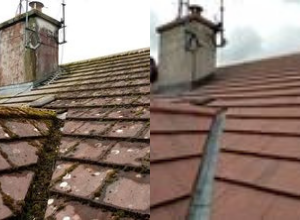
Softwashing is a cleaning method that relies on low-pressure water combined with a carefully mixed cleaning solution. Instead of blasting away dirt with force, the process works by applying biocides and detergents that break down and kill organic growth such as moss, algae, lichen, and mildew.
Unlike a pressure washer, which depends mainly on force, softwashing uses chemistry to achieve lasting results. The water pressure used is typically no higher than a household tap, which makes it safe for delicate surfaces such as:
- Roof tiles and slates
- Rendered walls
- Painted surfaces
- Vinyl siding
- Wooden cladding
The benefit is not just in the gentleness but also in the longevity. Because the cleaning solution kills spores at the root, surfaces tend to stay cleaner for longer compared with traditional power washing.
What is Pressure Washing?
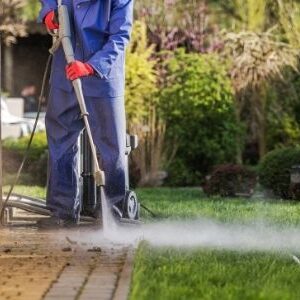
Pressure washing, sometimes called power washing, relies on a high-pressure water jet to blast away dirt, grime, and surface-level contaminants. A power washer can deliver water at pressures ranging from 1,500 PSI to over 4,000 PSI, depending on the equipment and the task at hand.
This method is excellent for hard, durable exterior surfaces that can withstand the force, such as:
- Concrete driveways
- Patios and paving
- Block paving
- Stone walls
- Car parks
- Metal surfaces
Pressure washing is one of the fastest ways to restore areas heavily coated in mud, oil, tyre marks, or compacted dirt. However, using a pressure washer incorrectly can risk damaging surfaces, particularly softer materials like roof tiles, render, or painted finishes.
Key Differences Between Softwashing and Pressure Washing
Although both are washing services for exterior surfaces, they differ significantly:
Feature |
Softwashing |
Pressure Washing |
| Method | Low-pressure water + cleaning solution | High-pressure water |
| Best For | Roof cleaning, render, siding, and delicate surfaces | Driveways, patios, stone, and durable hard surfaces |
| Cleaning Approach | Kills algae, moss, and mould at the root | Removes surface-level dirt and grime |
| Risk | Safe for fragile surfaces | May cause damage if misused |
| Longevity | Longer-lasting due to biocides | Effective short-term clean, but growth may return quicker |
This distinction, soft wash and pressure wash, is vital to understand when choosing the right approach for maintaining a property’s exterior.
When Should You Use Softwashing?
Softwashing should be chosen when surfaces are delicate, prone to erosion, or vulnerable to high pressure. Situations where it is most appropriate include:
- Roof cleaning: Roof tiles, especially slate or clay, can crack under a power washer. Softwashing treats moss and algae without structural risk.
- Render and painted walls: Kills biological growth without stripping paint.
- Vinyl siding and timber cladding: Prevents water ingress and fibre damage.
- Areas prone to biological growth: Because softwashing kills spores, it reduces regrowth speed.
By relying on chemistry rather than force, softwashing ensures that fragile materials are protected while still delivering a deep, effective clean.
When Should You Use Pressure Washing?
Pressure washing is most suitable where strength is needed to remove compacted debris or dirt, and grime. Situations where it excels include:
- Driveways and paving: Removes tyre marks, oil, and moss between joints.
- Concrete and tarmac: Withstands high-pressure water effectively.
- Yards and car parks: Large, durable areas benefit from quick cleaning.
- Stone or brick surfaces: Restores natural finishes by clearing dirt buildup.
The sheer force of a pressure washer allows it to effectively clean where chemicals alone would struggle. However, it requires professional handling to avoid unnecessary damage.

Softwashing vs Pressure Washing in Ireland
Ireland’s climate encourages rapid moss and algae growth, making both methods valuable. In towns such as Nenagh, Limerick, Portlaoise, and around Lough Derg, damp walls and shaded roofs often need softwashing to eliminate spores at the source.
On the other hand, power washing is widely used for agricultural yards, driveways, and commercial premises where mud, slurry, and vehicle traffic leave hard-to-remove stains. Both approaches are common, but the correct choice depends on surface type and the long-term results desired.
Pros and Cons of Each Method
Softwashing Pros & Cons
Pros
- Gentle on delicate exterior surfaces
- Kills biological growth at the root
- Longer-lasting results compared with just rinsing dirt away
- Reduces risk of surface erosion
Cons
- Slower process compared with pressure washing
- Requires chemical handling and expertise
- Not as effective on compacted mud or oil stains
Pressure Washing Pros & Cons
Pros
- Fast and powerful cleaning method
- Ideal for driveways, patios, and large, durable areas
- No chemical use required in many cases
- Restores surfaces to a like-new appearance
Cons
- Can damage surfaces if the pressure is too high
- Doesn’t kill spores, moss, and algae often return quickly
- Uses more water compared with softwashing
Which is Better for Your Home or Property?
There is no single “better” choice between softwashing and pressure washing. The decision depends on:
- Surface material – Delicate surfaces require softwashing, while concrete or stone may need power washing.
- Type of dirt – Organic growth is better treated with a cleaning solution, whereas ground-in grime needs high-pressure water.
- Desired results – For longevity, softwashing wins. For quick impact on strong surfaces, pressure washing is best.
A professional will usually assess the property and recommend the safest, most effective solution.
Common Misconceptions
- Softwashing is just low-pressure power washing. False. It relies on chemicals to clean, not water pressure.
- Pressure washing can clean anything. Incorrect. It risks damaging surfaces such as roof tiles or render.
- Softwashing is not as effective. Misleading. Softwashing is highly effective against algae, mould, and moss, often giving longer-lasting results.
- Both methods are interchangeable. Not true. Each has specific uses depending on the surface.
Environmental & Safety Considerations
Both methods require awareness of safety and environmental responsibility:
- Water usage: Pressure washing consumes more water compared with softwashing.
- Chemical handling: Softwashing involves biocides that must be applied correctly to avoid harm.
- Surface protection: Using the wrong approach may strip paint, erode mortar, or cause water ingress.
- Operator safety: High-pressure jets can injure, while cleaning solutions require proper protective equipment.
When carried out professionally, both methods are safe and environmentally responsible.
Get Professional Softwashing & Powerwashing!
Looking to restore your property’s exterior without risking damage? Spooner’s Cleaning provides trusted exterior washing services across Ireland, offering safe and effective solutions for roofs, driveways, and all exterior surfaces. Contact our team today to discuss the best method for your home or business.
Conclusion
In summary, the difference between softwashing and pressure washing lies in their approach. Softwashing uses a cleaning solution with low pressure, ideal for delicate or biological growth-affected surfaces, while pressure washing relies on high-pressure water to clear tough dirt and grime from durable surfaces. Understanding when to use each method ensures a cleaner, safer, and longer-lasting result for Ireland’s diverse property types.
FAQs
1. Is softwashing safer than pressure washing?
Yes, softwashing is safer for fragile surfaces like roof tiles, render, or siding.
2. How long do softwashing results last?
Often longer than pressure washing, as it kills moss and algae at the root.
3. Can pressure washing damage concrete?
No, concrete is durable enough for high-pressure water when used correctly.
4. Does softwashing always involve chemicals?
Yes, but the cleaning solution is carefully formulated and applied by professionals.
5. Which method is more eco-friendly?
Softwashing generally uses less water, but both can be environmentally safe when handled correctly.