In Ireland, damp and mould problems peak during winter, and many homeowners do not realise their roof plays a major role. A dirty roof can quietly trap moisture, worsen humidity levels, and allow water to move into the structure. Understanding this link helps protect your home before costly repairs appear.
Why This Problem Is So Common in Irish Winters
Damp problems are not random in Ireland. They follow a clear seasonal pattern, and winter is when issues surface most strongly. The reason lies in how roofs behave under constant moisture.
Irish winters are long, wet, and often mild rather than freezing. This combination allows moss and algae to thrive on roofing materials. A dirty roof stays damp for extended periods, creating the perfect conditions for moisture to move into the building.
Key reasons this problem is widespread include:
- Frequent winter weather with rain and drizzle
- Low sunlight reduces drying time
- High humidity levels in the air
- Snow and ice are sitting longer on the roof surface
- Blocked gutters are preventing water from draining away
Over time, these factors increase the risk of water damage and mould growth inside the home.

Understanding Ireland’s Winter Climate and Moisture Behaviour
Ireland’s climate is unique. Winter seasons bring constant moisture rather than extreme cold. Roofs are rarely given a chance to dry fully.
Rain, mist, and humidity combine with short daylight hours. Even when the rain stops, a dirty roof can remain wet for days. Warm air from inside the house rises and meets cold roof surfaces, creating condensation within the roof space.
This cycle:
- Raises moisture levels in the roof decking
- Affects roofing materials
- Encourages mould growth
- Makes winter roofing issues harder to detect early
Understanding moisture behaviour explains why damp problems feel worse in winter than at any other time of year.
What “Dirty Roofs” Really Mean (Beyond Just Moss)
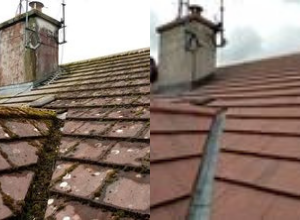
Many people think a dirty roof only means visible moss. In reality, roof dirt includes several layers of organic and environmental buildup.
A dirty roof often contains:
- Moss and algae
- Lichen and spores
- Wind-blown debris
- Trapped leaves near chimney vents and skylights
- Sediment holding moisture on tiles
This buildup is not just cosmetic. It alters how water flows across the roof and how quickly it evaporates. Over time, it can damage your roofing and weaken protective layers.

How Moss and Organic Growth Trap Moisture on Roof Surfaces
Moss and algae behave like sponges. Once established, they absorb and hold water against the roof surface.
Instead of rainwater running off quickly, a dirty roof:
- Retains moisture after rainfall
- Slows evaporation
- Keeps tiles and joints constantly wet
- Encourages ice dams from forming during cold snaps
When the snow on the roof begins melting, moss prevents water from draining properly. This can lead to ice dams forming, preventing snow from melting evenly and forcing water beneath tiles.
How Trapped Roof Moisture Moves Into the Building?
Water does not need a visible roof leak to cause problems. Moisture moves gradually and quietly.
Common entry paths include:
- Tile overlaps
- Nail penetrations
- Mortar joints
- Degraded roofing materials
- Roof decking absorbing moisture
Once water enters the roof structure, it can travel downward. Over time, this leads to damp patches, water damage, and mould growth inside living spaces.
Why Winter Makes Roof-Related Damp Worse Than Summer
In summer, heat and sunlight help roofs dry quickly. Winter removes this safety net.
During harsh winter conditions:
- Low temperatures slow evaporation
- Short days reduce drying time
- Snow and ice sit longer on surfaces
- Warm air inside meets cold roof layers
This temperature difference increases condensation, adding to existing moisture from outside. A dirty roof under winter weather becomes a long-term moisture reservoir rather than a protective barrier.
Common Indoor Damp Symptoms Linked to Roof Moisture
Roof-related damp often shows itself indoors first. These signs are frequently misunderstood or treated as surface problems.
Common symptoms include:
- Mould growth near ceilings
- Damp patches on upper floors
- Musty smells in bedrooms
- Peeling paint or staining
- Difficulty maintaining a consistent temperature
These issues often reappear each winter because the source remains untreated.

The Link Between Dirty Roofs and Insulation Performance
Insulation works best when dry. A dirty roof increases the risk of moisture entering insulation layers.
When insulation becomes damp:
- Energy efficiency drop
- Warm air escapes faster
- Energy bills increase
- Cold spots develop indoors
Homeowners may add insulation, but still experience damp because roof moisture continues to affect the structure above.
Gutters, Valleys, and Downpipes: The Overlooked Damp Trigger
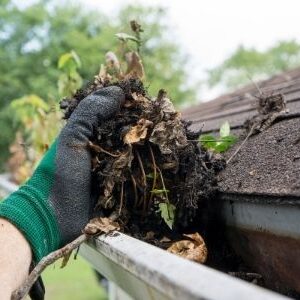
Blocked gutters play a major role in winter damp problems. Roof dirt often ends up in guttering systems.
Issues include:
- Clogged gutters overflowing
- Water backing up under tiles
- Ice forming in clogged gutter sections
- Damp spreading to walls and roof edges
A clogged gutter system allows water to sit where it should never remain, increasing the risk of roof leaks and damage to your home.
Older Irish Homes vs Newer Builds: Who Is Most at Risk?
Older homes are more vulnerable, but newer builds are not immune.
Older properties often have:
- Traditional roofing materials
- Older felt systems
- Less ventilation
- Newer homes may have:
- Better membranes
- Improved insulation
- Tighter air sealing
However, a dirty roof affects all buildings. Moisture behaviour does not change simply because a home is newer.
Why Ignoring Roof Dirt Can Lead to Long-Term Damp Damage
Roof dirt is rarely urgent at first. This is why it is often ignored.
Over time, however, it can lead to:
- Damage your roofing structure
- Water damage is spreading unseen
- Costly repairs are becoming unavoidable
- Timber weakening in the roof decking
- Ongoing mould growth cycles
Early understanding helps prevent these outcomes.
Why Roof Damp Issues Are Often Misdiagnosed
Damp is commonly blamed on:
- Windows
- Poor ventilation
- Indoor humidity only
While these contribute, they are often symptoms rather than causes. A professional roof assessment frequently reveals moisture sources that indoor treatments alone cannot fix.
Is This a DIY Issue? What Homeowners Should Know
Roof cleaning and winter roofing concerns are not DIY tasks.
Important considerations:
- Roof access involves safety risks
- Incorrect pressure can damage roofing materials
- Chemicals used incorrectly can cause staining
- Walking on wet roofs increases structural risk
A professional roof contractor understands how to assess and manage these risks safely.
When Roof Cleaning and Maintenance Becomes Preventive, Not Reactive
Preventative roof care focuses on long-term protection rather than emergency repairs.
Preventative maintenance:
- Reduces trapped moisture
- Prevents water from entering the structure
- Protects roofing materials
- Supports energy efficiency
- Lowers the chance of costly repairs later
In Ireland, winter damp issues often reflect problems that developed months or years earlier.
Spooner’s Cleaning: Professional Roof Cleaning Services
Understanding how dirty roofs affect damp problems is the first step. Spooner’s Cleaning provides professional roof cleaning services across Ireland, focusing on protecting your home from moisture-related damage through safe, informed, and experienced care tailored to Irish winter conditions.
Give us a call or write us your requirements:
- Phone: 0872273934
- Email: [email protected]
Conclusion
Dirty roofs play a much larger role in winter damp problems than many Irish homeowners realise. Moss, algae, blocked gutters, and trapped moisture combine with Ireland’s winter weather to create ongoing damp, mould growth, and energy efficiency issues.
Awareness allows homeowners to address causes early, protecting their property and avoiding long-term damage.
FAQs
Q1. Does every dirty roof cause damp problems?
No, but a dirty roof significantly increases the risk, especially in winter.
Q2. Can roof damp appear months after heavy rain?
Yes, moisture can move slowly and appear later indoors.
Q3. Is winter the worst time for roof moisture issues?
Yes, due to low drying conditions and high humidity levels.
Q4. Can blocked gutters alone cause damp?
Yes, clogged gutters can force water back into the roof and walls.
Q5. Does cleaning a roof improve energy efficiency?
Indirectly, yes, by keeping insulation and roofing materials dry