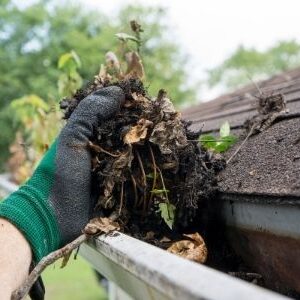
Many commercial property owners in Ireland overlook the importance of regular roof cleaning, seeing it as a minor task rather than a crucial part of building maintenance.
Neglecting roof maintenance can lead to structural damage, costly repairs, and disruption to business operations.
Knowing the hidden costs is essential for protecting your investment and extending the lifespan of your roof.
Understanding Commercial Roofs
Commercial roofs differ significantly from residential ones, both in structure and maintenance needs. They may be flat, pitched, or slightly sloped, and often use materials such as bitumen membranes, metal sheets, EPDM, or built-up roofing. Each roofing material has its own vulnerabilities:
- Flat roofs are prone to water pooling and moss growth.
- Metal roofs may corrode if debris and moisture accumulate.
- Membrane roofs can tear or blister if dirt and organic matter are left unattended.
A well-maintained roof not only protects the building but also contributes to energy efficiency and property value. Regular commercial roof maintenance helps prevent minor problems from escalating into major roofing issues.
The Hidden Costs of Neglecting Roof Cleaning
1. Structural Damage
One of the first consequences of a neglected roof is structural damage. Small problems, such as blocked drains or accumulated debris, can cause water to pool and penetrate roofing materials. Over time, this can weaken the roof deck, joists, and supporting structures, leading to:
- Rotting timber supports
- Rusting metal frameworks
- Cracks in concrete or asphalt surfaces
Addressing minor issues early prevents these problems from escalating into emergency repairs that disrupt business operations and require costly interventions.
2. Increased Repair and Replacement Costs
Ignoring roof maintenance often results in small issues turning into expensive repairs. For example:
- Moss and algae can deteriorate roofing materials, requiring partial or complete replacement.
- Blocked gutters can lead to water ingress, damaging interior ceilings and walls.
- Small leaks left untreated can expand into major water damage problems.
By implementing regular cleaning schedules, property owners can extend the lifespan of their roof, avoid emergency repairs, and save significant sums over time.
3. Reduced Property Value and Aesthetic Appeal
A roof in poor condition signals neglect to potential buyers and tenants. Even minor visible damage, such as moss-covered surfaces or stained roofing materials, can reduce the perceived value of a commercial property. Maintaining a clean and intact roof ensures:
- Better first impressions for clients and tenants
- Higher property valuation in sales or rental agreements
- Confidence that the building is well cared for
A maintained roof also protects landscaping, reduces higher energy bills, and ensures gutters and drainage systems function effectively.
4. Health and Safety Risks
Neglecting roof maintenance can create health and safety hazards for employees and visitors. Accumulated organic matter can harbour mould, algae, and bacteria, which may affect indoor air quality. Other risks include:
- Slippery surfaces on access points and rooftop walkways
- Falling debris from loose roofing materials
- Electrical hazards if water reaches the rooftop wiring or equipment
Ensuring regular roof cleaning mitigates these risks and maintains safe conditions for everyone in and around the property.
5. Impact on Energy Efficiency
A dirty, damaged, or poorly maintained roof can negatively affect a building’s energy efficiency. Debris and organic growth reduce the reflective properties of roofing materials, causing:
- Increased cooling demands in summer
- Higher heating bills in winter due to compromised insulation
- Greater carbon footprint for the building
Regular cleaning and inspection help maintain thermal efficiency and prevent higher energy bills.
Factors That Accelerate Roof Deterioration
Several factors can accelerate roof deterioration in Ireland, including:
- Frequent rain and a damp climate promote moss and algae growth
- Frost and freeze-thaw cycles cause cracks in roofing materials
- Nearby trees drop leaves and branches into gutters
- Neglecting roof maintenance, allowing minor issues to develop unchecked
Understanding these factors enables property owners to implement a proactive maintenance plan and prevent long-term damage.
Signs That Your Commercial Roof Needs Attention
Even if you are unfamiliar with roofing systems, certain signs indicate it is time for a professional inspection:
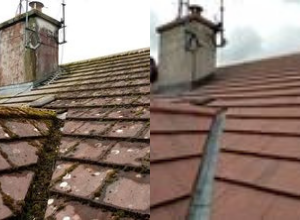
- Visible moss, algae, or lichen growth
- Pooling water or water stains on the ceiling
- Cracks, blisters, or sagging in roofing materials
- Damaged or overflowing gutters
- Foul odours from dampness or mould
Addressing these warning signs early prevents small problems from escalating into structural damage or costly repairs.
Consequences of Ignoring Roof Cleaning
The consequences of neglecting roof cleaning are clear:
- A flat warehouse roof with minor moss buildup can lead to water pooling, which can cause ceiling collapse in one section.
- Office blocks with blocked gutters experience interior water damage during heavy rainfall, which affects business operations and tenant satisfaction.
- Industrial sites that ignore routine roof maintenance require replacement of entire roofing membranes prematurely, far exceeding the cost of routine cleaning and minor repairs.
These real-world scenarios highlight the importance of preventative commercial roof maintenance.
Preventive Measures and Best Practices
To avoid hidden costs, property owners should adopt the following best practices:
- Schedule regular inspections and roof cleaning at least twice a year.
- Clear gutters and downspouts to prevent water backup.
- Remove moss, algae, and debris using professional, safe methods.
- Repair minor damage early to prevent escalation.
- Keep detailed records of maintenance activities for reference.
Proactive roof care allows property owners to identify potential problems before they escalate, extend the lifespan of the roof, and safeguard business operations.
Financial Perspective
Investing in regular roof maintenance is far more cost-effective than emergency repairs. Consider the following:
- Regular cleaning costs a fraction of the price of roof replacement.
- Early minor repairs prevent emergency repairs that disrupt business operations.
- A maintained roof improves property value, aiding resale or rental opportunities.
- Energy savings from a clean, efficient roof can be substantial over time.
Ignoring roof maintenance may lead to higher energy bills, structural damage, and costly repairs, impacting both short-term budgets and long-term investment returns.
Common Misconceptions About Commercial Roof Cleaning
Misconceptions |
Reality |
| “Roof cleaning isn’t necessary in Ireland’s wet climate.” | Moss and debris thrive in damp conditions, making regular cleaning essential. |
| “DIY cleaning is sufficient.” | Commercial roofs require specialised equipment and expertise to avoid damaging roofing materials. |
| “Minor problems can wait.” | Small issues often escalate, leading to emergency repairs. |
| “Maintenance doesn’t affect value.” | A neglected roof reduces property appeal to potential buyers and tenants. |
| “Flat roofs don’t need attention.” | Flat roofs are highly susceptible to water pooling and structural damage without proper care. |
Book Best Commercial Roof Cleaning Services
If you manage a commercial property around Nenagh, Limerick City, Tullamore, or near Lough Derg, it’s essential to keep your roof maintained to prevent costly repairs and structural damage.
Spooner’s Cleaning expertise covers roof cleaning, inspections, and preventive care within the radius of Roscrea. Protect your property and extend the lifespan of your roof. Get in touch today.
Conclusion
Neglecting commercial roof cleaning can lead to structural damage, costly repairs, reduced property value, higher energy bills, and safety hazards.
By understanding the hidden costs and implementing preventive measures, property owners in Ireland can maintain a safe, efficient, and visually appealing commercial space. Early action is always more cost-effective than reacting to problems after they escalate.
FAQs
1. How often should a commercial roof be cleaned?
Typically twice a year, but inspections may indicate more frequent cleaning is needed, depending on the roof type and environmental factors.
2. Can minor roof damage be repaired without professional help?
Small issues should be addressed by trained professionals to avoid worsening the damage or affecting roofing materials.
3. Is roof cleaning necessary for all commercial roofing materials?
Yes, though the methods may vary for metal, flat membrane, or bitumen roofs.
4. Do clean roofs really affect energy efficiency?
Yes, dirt, moss, and debris reduce reflective properties and can compromise insulation, leading to higher energy bills.
5. Are there eco-friendly options for roof cleaning?
Professional roof cleaners use safe, environmentally friendly solutions that do not damage roofing materials or surrounding areas.